Source IP CCTV Camera for Security, Surveillance, and Monitoring
Explore 30 verified IP CCTV camera options featuring CCD and CMOS sensors with resolutions up to 600tvl. Buyers can compare waterproof dome and PTZ models with WDR technology, varying IR distances, and certifications like CE and RoHS for diverse security needs.
Key considerations
Products List




Comprehensive Sourcing Guide
IP CCTV Camera Sourcing Guide
Sourcing IP CCTV cameras requires a strategic approach that balances technical performance with commercial viability. Buyers must navigate a diverse market where product attributes vary significantly across different models and manufacturers. The observed data indicates a wide range of specifications, from standard LCD monitors to advanced vandal-proof dome cameras, reflecting the complexity of modern surveillance needs. Understanding these distinctions is critical for aligning procurement with specific security objectives.
This guide provides a structured framework for evaluating IP CCTV solutions based on verified listing signals and technical requirements. By focusing on key decision points such as sensor type, resolution, and environmental protection ratings, buyers can mitigate risks associated with mismatched specifications. The following sections detail the essential steps for validating product claims, ensuring regulatory compliance, and establishing robust supplier relationships for long-term operational success.
Product Scope and Observed Listing Signals
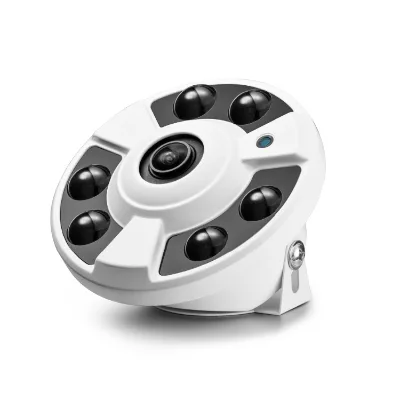
The current market landscape for IP CCTV cameras includes a variety of form factors and functionalities, as evidenced by the observed product listings. Buyers may encounter devices ranging from compact indoor units to rugged outdoor cameras with specific lens configurations. For instance, some models feature a dome style with autofocus lenses, while others are designed as pan/tilt units with extended infrared distances. These variations highlight the importance of matching the physical design to the intended installation environment, whether it be a confined indoor space or a large outdoor perimeter.
Listing signals also reveal significant diversity in interface types and power requirements. Some products support VGA interfaces with high-definition HDMI formats, catering to legacy or specific display setups, while others utilize Power over Ethernet (PoE) for simplified installation. The presence of features like auto backlight compensation and waterproof ratings suggests that buyers should carefully review the environmental specifications. Verifying these details ensures that the selected camera can withstand the operational conditions of the deployment site without premature failure or performance degradation.
Technical Specifications to Verify
Technical verification begins with assessing the image sensor and resolution capabilities, which are fundamental to video quality. Buyers should confirm whether the camera utilizes a CCD or CMOS sensor, as this impacts low-light performance and power consumption. Horizontal resolution metrics, such as 540tvl or 600tvl, provide a baseline for clarity, but buyers must also consider the lens aperture and focal length. A wider aperture, such as F1.6 or F2.0, allows more light to enter, enhancing performance in dimly lit areas, while the choice between 2.8mm and 6mm lenses affects the field of view.
Advanced features like Wide Dynamic Range (WDR) and infrared distance are crucial for challenging lighting conditions. Buyers should verify the WDR specification, with some models offering up to 120db, to ensure clear images in high-contrast environments. Additionally, the IR distance, ranging from 30m to 150m, determines the effective surveillance range at night. It is essential to match these technical parameters with the specific security requirements of the site, ensuring that the camera can capture usable footage across the entire monitored area without excessive glare or darkness.
Compliance and Safety Documentation
Regulatory compliance is a non-negotiable aspect of sourcing IP CCTV cameras, particularly for international deployments. Buyers must verify that products carry the necessary certifications for their target markets, such as CE, FCC, and RoHS. These certifications indicate adherence to electromagnetic compatibility, safety, and environmental standards. The presence of ISO9001 certification suggests that the manufacturer follows established quality management processes, which can be a reliable indicator of consistent product quality and manufacturing discipline.
In addition to general certifications, specific environmental protection ratings are critical for outdoor installations. Buyers should look for IP67 ratings, which guarantee dust tightness and protection against powerful water jets, ensuring durability in harsh weather conditions. Vandal-proof features and waterproof designs are also essential for high-traffic or exposed areas. Verifying these documentation details helps prevent legal liabilities and ensures that the equipment meets local regulatory requirements, facilitating smoother customs clearance and installation processes.
Cost Drivers and Commercial Terms
Cost structures for IP CCTV cameras are influenced by a combination of technical specifications and commercial terms. The observed price range, spanning from $5 to $35,000, reflects the diversity in product complexity and volume. Buyers should analyze the cost implications of features such as high-definition resolution, advanced WDR capabilities, and specialized lens options. Higher-end models with pan/tilt mechanisms and extended IR distances typically command a premium, but they offer greater flexibility and coverage, which may reduce the total number of units required for a project.
Minimum Order Quantities (MOQ) and packaging details also play a significant role in total procurement costs. MOQs ranging from 1 to 200 units allow for flexibility in scaling orders, but buyers must consider the impact of bulk purchasing on cash flow and storage. Packaging types, such as gift boxes or paper packages, affect shipping efficiency and product protection during transit. Understanding these commercial terms enables buyers to negotiate better pricing and optimize their supply chain logistics, ensuring that the total cost of ownership remains within budget constraints.
Supplier Qualification and Quality Control
Supplier qualification is essential for ensuring the reliability and consistency of IP CCTV camera supplies. Buyers should prioritize suppliers located in established manufacturing hubs, such as Shenzhen, China, where a robust ecosystem of components and expertise exists. Verifying the supplier’s production capabilities and quality control processes is crucial. Suppliers with ISO9001 certification are more likely to maintain consistent manufacturing standards, reducing the risk of defects and ensuring that each unit meets the specified technical requirements.
Quality control measures should include rigorous testing of key performance indicators, such as image clarity, IR functionality, and environmental sealing. Buyers should request sample units to conduct independent verification of specifications before committing to large orders. Additionally, assessing the supplier’s ability to provide customization services can be valuable for unique project requirements. Establishing a clear communication channel for technical support and after-sales service ensures that any issues can be resolved promptly, maintaining the integrity of the surveillance system over time.
Long-Term Procurement Checks
Long-term procurement success depends on establishing a sustainable relationship with suppliers and ensuring ongoing product support. Buyers should monitor the supplier’s ability to provide consistent supply and timely updates to their product lines. The availability of spare parts and technical documentation is critical for maintaining the surveillance system over its lifecycle. Suppliers who offer comprehensive warranty terms and responsive customer service can significantly reduce downtime and operational disruptions.
Regular audits of supplier performance and product quality are recommended to maintain high standards. Buyers should track key metrics such as defect rates, delivery times, and responsiveness to technical queries. Additionally, staying informed about emerging technologies and industry trends allows buyers to make informed decisions about future upgrades or expansions. By maintaining a proactive approach to supplier management, buyers can ensure that their IP CCTV infrastructure remains secure, reliable, and cost-effective in the long run.
FAQs
What certifications do these ip cctv cameras have?
These ip cctv cameras typically hold CE, FCC, CCC, RoHS, and ISO9001 certifications. Some models also include EMI/EMC compliance. These standards ensure safety and quality for international markets while meeting specific regional regulatory requirements for electronic devices.
Which sensor types are used in these ip cctv cameras?
The available ip cctv cameras utilize either CCD or CMOS sensor technologies. CCD sensors are often found in models with 540tvl resolution, while CMOS sensors appear in higher-end units offering 600tvl resolution. The choice depends on specific lighting and resolution needs.
Can these ip cctv cameras be customized for specific needs?
Yes, customization is available for many of these ip cctv camera models. Buyers can request specific features or modifications to suit unique operational requirements. This flexibility allows for tailored solutions that align precisely with the intended application environment and security protocols.
What is the waterproof rating for outdoor ip cctv cameras?
Outdoor ip cctv cameras in this selection feature an IP67 protection rating. This ensures they are dust-tight and can withstand temporary immersion in water. Such durability makes them suitable for harsh weather conditions and long-term outdoor surveillance deployments without failure.
How far can the infrared night vision reach on these cameras?
Infrared night vision ranges vary by model, reaching up to 30 meters or 150 meters. Specific units offer different IR distances to accommodate various surveillance distances. Buyers should select the model that matches their required viewing range for effective night monitoring.
What power options are supported by these ip cctv cameras?
These ip cctv cameras support 12 VDC power input combined with Power over Ethernet. Some compact models operate with less than 5W power consumption. This dual power capability ensures reliable operation in diverse installation scenarios while maintaining energy efficiency for the security system.
Where are these ip cctv cameras manufactured?
The ip cctv cameras are manufactured in Shenzhen, China, or other regions within China. This location is a major hub for electronics production. Buyers can expect established supply chains and manufacturing capabilities when sourcing these devices from the specified origin points.